Blog

All Personal Injury Auto Accidents Slip-And-Falls Dog & Animal Bites Truck Accident Injuries Legal Guide Rideshare accidents Truck accidents

Who Is Responsible for a Grocery Store Slip and Fall Accident in Baltimore, Maryland?

Grocery stores have a responsibility to maintain reasonably safe conditions for customers and visitors who enter their property. When someone slips and falls because of a hazardous condition, such as a wet floor, spilled product, uneven flooring, or another dangerous condition, the store may be held responsible if its negligence contributed to the accident. However, a grocery store is not automatically liable simply because someone was injured on its property. Maryland slip-and-fall cases are based on negligence, meaning an injured person must show that the store owner or manager failed to take reasonable steps to identify, correct, or warn customers about a dangerous condition. Working with an experienced Baltimore slip-and-fall attorney can help injured individuals understand their legal options and determine whether they may have a valid premises liability claim. For more information about these types of cases, visit Rafael Law, LLC’s slip-and-fall accident services. more When Is a Grocery Store Responsible for a Slip and Fall Accident in Baltimore? Under Maryland premises liability law, property owners and businesses generally have a duty to keep their property reasonably safe for customers and other lawful visitors. This includes regularly inspecting the property, addressing known hazards, and providing warnings when dangerous conditions cannot be immediately corrected. To hold a grocery store responsible after a fall, an injured person generally must prove: A dangerous condition existed on the property The store owner or employees knew, or reasonably should have known, about the hazard The store failed to take reasonable action to fix the problem or warn customers The dangerous condition caused the accident and resulting injuries These cases often depend on evidence showing how long the hazard existed and whether the store had a reasonable opportunity to address it. Proving Negligence After a Grocery Store Fall One of the most challenging parts of a grocery store slip-and-fall claim is proving that the store knew about the dangerous condition or should have discovered it through reasonable care. There are generally two ways knowledge can be established: Actual Knowledge of a Hazard Actual knowledge means the store knew about the dangerous condition before the accident occurred. For example, an employee may have been told about a spill but failed to clean it up or place warning signs around the area. Another example could involve a customer notifying store employees about a leaking freezer or a damaged floor section, but the store does not take appropriate action. Constructive Knowledge of a Hazard Constructive knowledge means the store should have known about the dangerous condition because it existed long enough that a reasonable business would have discovered and corrected it. For example, if a customer spills a drink moments before another person slips, the store may argue that it did not have enough time to discover the spill. However, if the spill remained on the floor for an extended period without inspection or cleanup, the injured person may have a stronger argument that the store failed to act reasonably. Evidence such as surveillance footage, employee reports, cleaning schedules, witness statements, and incident reports can be important when proving how long a hazard existed. Common Causes of Grocery Store Slip and Fall Accidents Grocery stores contain many areas where hazardous conditions can develop quickly. Some common causes of customer falls include: Spilled liquids or food products Wet floors near entrances, checkout areas, or refrigeration sections Leaking freezer or refrigerator units Uneven flooring or damaged surfaces Poor lighting that makes hazards difficult to see Objects left in walkways Loose mats or rugs Failure to maintain aisles and customer areas While some hazards may occur unexpectedly, stores are expected to have reasonable inspection and maintenance procedures to help protect customers. What Evidence Can Help Prove a Grocery Store Was Negligent? After a slip-and-fall accident, important evidence can disappear quickly. Surveillance footage may be erased, employees may forget details, and hazardous conditions may be corrected before they can be documented. Evidence that may help support a claim includes: Photos or videos of the dangerous condition Clothing or shoes involved in the accident Medical records documenting injuries Witness contact information Store incident reports Surveillance footage Employee statements Maintenance and inspection records Taking steps to preserve evidence as soon as possible can make a significant difference when pursuing a personal injury claim. Maryland’s Contributory Negligence Rule and Slip-and-Fall Claims Maryland follows a contributory negligence rule, which can significantly impact slip-and-fall cases. Under this rule, if an injured person is found to have contributed to their own accident in any way, they may be prevented from recovering compensation. Because of this strict legal standard, insurance companies and property owners may attempt to argue that the injured person was responsible for the fall. They may claim the hazard was obvious, the person was distracted, or the person failed to exercise reasonable caution. A Baltimore personal injury attorney can help evaluate the circumstances of the accident, respond to these arguments, and determine what evidence may support the claim. Learn more about Rafael Law, LLC’s approach to personal injury cases. Why Contact a Baltimore Slip-and-Fall Attorney After a Grocery Store Accident? Grocery store slip-and-fall cases can become complicated quickly. Businesses and insurance companies often focus on limiting their financial responsibility, which may make it difficult for injured individuals to understand their rights or obtain fair compensation. An attorney can help investigate what happened, gather evidence, communicate with insurance companies, and determine whether negligence played a role in the accident. At Rafael Law, LLC, we help injured individuals throughout Baltimore understand their options after accidents caused by unsafe property conditions. If you were injured in a grocery store slip and fall, contact Rafael Law, LLC at 410-826-4763 or visit our Baltimore law office contact page to discuss your situation.
Who Can File a Wrongful Death Lawsuit and What Damages Are Available?

Losing a loved one is one of the hardest things to endure, and especially if that loss is because of another person's carelessness. A wrongful death lawyer can guide your family through the process of bringing a claim here in Baltimore, MD. more What Does a Wrongful Death Claim Do? When a person dies as a result of someone else's negligence, Maryland law allows certain surviving family members to seek compensation for the loss of the deceased's income, fellowship, and care. This type of claim differs from a survival action, which is where the estate of the deceased brings a claim for losses the deceased themselves suffered before their passing. A wrongful death claim focuses on the harm the death is causing and has caused to the survivors. Who Can Bring a Claim? The spouse, children, and parents of the person who died are eligible to benefit from a wrongful death action, and these individuals have the first right to bring the action. There are exceptions if a family member is responsible for the death, but otherwise spouses, children, and parents are always the ones who benefit from a wrongful death action. The law treats a child born outside of marriage as the child of the mother and of the father only if paternity was established legally before the death. If no spouse, child, or parent survives the deceased, the right to bring a claim passes to secondary beneficiaries. These can be any blood or marriage relatives who depended on the deceased for support. Grandparents, siblings, or other kin might qualify in that situation, but again, they can only bring a claim and benefit from it if there's no one in the primary group of spouse, children, and parents. What Damages Are Available? First, the family can claim damages for their economic, or monetary, losses. These include the lost income the deceased would have provided had they lived, lost household services, and any medical, funeral, or burial expenses. There are no caps on this: whatever can be shown to have been lost may be recovered. But the family can also get non-economic damages. This is compensation for the personal losses like mental anguish, emotional pain and suffering, loss of society, companionship, comfort, protection, care, attention, advice, counsel, training, guidance, or education. There are caps on these damages. The cap was set in 1994 at $500,000 and increases by $15,000 every year in October. In Oct of 2025, the cap was $965,000 for a single claimant. If there are two or more claimants, the total for all non-economic damages can't be more than 150% of that single-claimant amount. Talk to a Wrongful Death Lawyer in Baltimore, MD Approaches These Cases If someone's negligence has caused the death of someone close to you, call the Law Offices of Elan B. Rafael in Baltimore at 410-826-4763 today or request a consultation online. You'll always speak directly with Elan Rafael in consultation about the facts of your situation and the options available under Maryland law.

What Medical Records Are Critical in a Traumatic Brain Injury Claim?

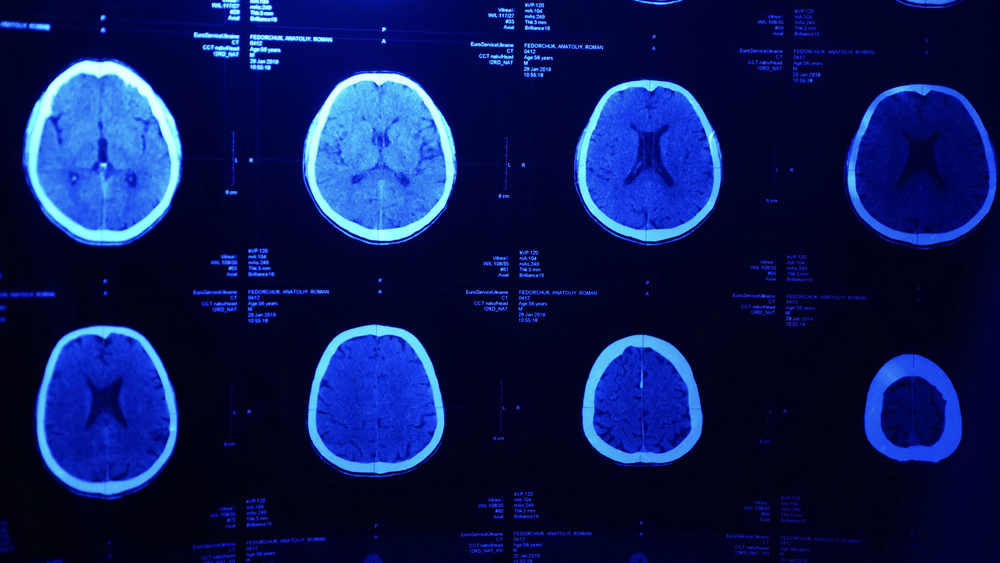
If you've suffered a brain injury from an accident, your medical records will go a long way in determining how effectively your claim for compensation moves forward. A Baltimore, MD traumatic brain injury attorney can help you sort through the details and gather all evidence that proves what's happened and how it's affected you. more Medical Records That Matter Most in a TBI Claim Medical records supply the objective proof that an accident caused real harm, establish how serious that harm was, and document the ongoing needs that are affecting your daily life and future costs. If you don't have complete, well-organized documentation, the insurance company is likely to question the connection between the incident and later symptoms or downplay the long-term effects. Every relevant note, scan, and evaluation is important to have in hand so the full picture of your injury is clear. The most important records to gather will be: Initial records Tests and imaging Specialist evaluations Neuropsychological testing Rehabilitation and therapy records Those First Moments Those early records from first responders and the emergency department are really important. Ambulance reports will capture what happened at the scene, and emergency room notes will include the initial neurological checks and any decisions made in those critical first hours. These documents are critical because they were created closest in time to the event and because they record the mechanism of injury, such as a direct blow to the head or sudden deceleration. That's useful to tie the accident directly to the brain trauma. Tests and Imaging Diagnostic imaging carries a lot of weight. A CT scan is usually the first test ordered in the ER because it quickly reveals if there are any fractures, bleeding, swelling, or blood clots that require immediate intervention. An MRI might be ordered once you stabilize, as it can show subtler damage such as diffuse axonal injury or small contusions. EEG reports may show if any seizures occurred or brain activity raised concern. Specialist Evaluations With a brain injury, it's likely you'll be seen by neurologists or neurosurgeons, and their notes about any changes in symptoms over days or weeks and any recommendations for further testing or treatment will be useful to track how the injury evolved. Just having consistent specialist documentation itself strengthens your claim because it shows that the problems persisted and required expert attention. Neuropsychological Testing Neuropsychological testing is especially important when imaging looks normal but you're not feeling or acting like normal. These evaluations use standardized tasks to measure your attention, processing speed, memory, executive function, and emotional regulation, and the results can demonstrate that you have some measurable deficits. These can help to differentiate injury-related changes from any pre-existing conditions or unrelated stress. Many people with milder brain injuries show little on scans but have clear difficulties on these tests. Talk to a Baltimore, MD Traumatic Brain Injury Attorney Today Your records tell a story, and it's your lawyer's job to tell that story effectively and use those records to get you full compensation for what you've lost and suffered. Contact the Law Offices of Elan B Rafael in Baltimore, MD right away for a consultation, where you'll talk to Elan B. Rafael directly, never a paralegal or secretary.

Bicycle Crash

Which Steps Protect Your Rights After a Bicycle Crash?

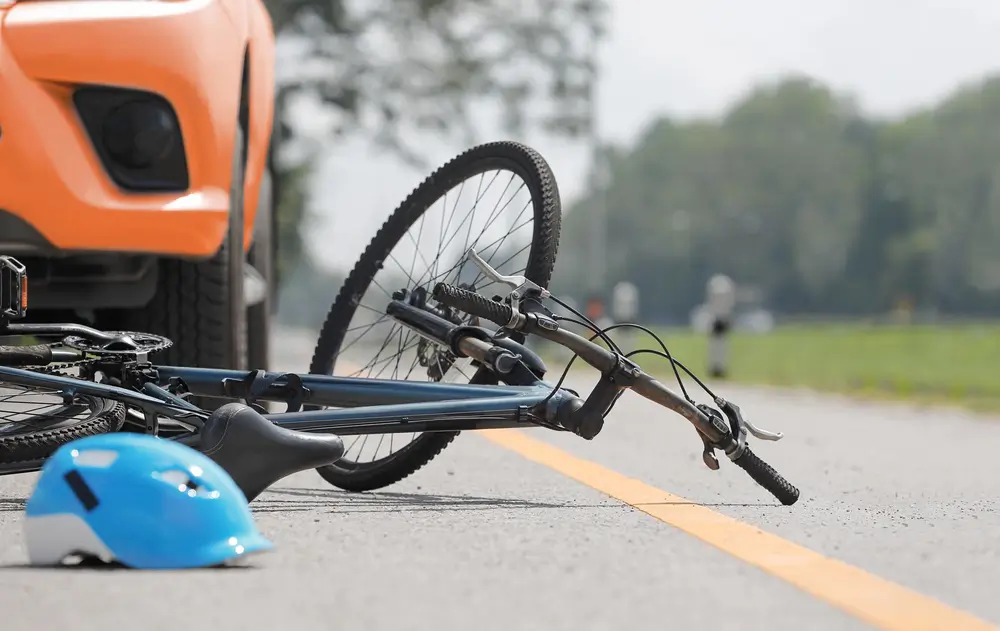
What Should You Do After a Bicycle Accident in Baltimore, MD? The steps you take after a bicycle accident in Baltimore can affect both your physical recovery and your ability to pursue compensation. Medical records, police reports, witness statements, and other evidence may become important if you later file a bicycle accident claim. Call to Schedule Your Consultation: 410-826-4763 in Baltimore, MD. Get Medical Help Your medical treatment will tie your injuries directly to the crash. Even if you feel okay at first, some issues like concussions or soft-tissue damage may not show up until later, so always get checked out. Skipping this step will weaken your position, as the insurance company may raise questions later about how the injuries happened if they're not clearly and obviously connected to the crash. Call the Police and Get an Official Report In Maryland, you need to report any crash that involves injury. Police will come to the scene, take statements, and file a report that lists the facts, who was involved, and what the conditions were like. That official document will be important evidence later. Document the Scene Yourself While you wait for help, or right after you are safe, take photos of everything if you're well enough to do so. Write down the other driver's name, contact information, insurance details, and license plate. If anyone saw what happened, get their names and numbers, too. Preserve Every Piece of Evidence Leave your bike, helmet, clothing, and any other items exactly as they were after the crash. Don't repair or clean them until someone who knows what they are doing has examined them: your lawyer can direct you to the right professionals for this. These items can prove the force of the impact or show that you were following safety rules. Be Careful About What You Say Maryland follows a strict contributory negligence rule which means that if you are found even slightly at fault, you can't recover damages. Stick to the facts when talking to police, and avoid apologizing or speculating about who caused the crash. The same caution applies to any conversations you might have with insurance adjusters. It's best to refer them to your lawyer. Contact a Bicycle Accident Attorney An experienced attorney knows how the insurance companies operate and what the laws are, and they can step in early to handle communications so you do not accidentally say something that hurts your case. They'll review the police report, gather additional evidence if needed, and make sure all your damages are fully accounted for so you don't lose out. Waiting too long to file a claim can mean you miss the deadline entirely or some of the evidence becomes unusable, so talk to a lawyer as soon as you can. Talk to a Lawyer Today If you have been hurt in a bicycle crash, reach out for a free consultation at Rafael Law, LLC in Baltimore right away. We serve clients throughout Maryland, including Silver Spring, Brooklyn Park, Glen Burnie, Towson, Columbia, Annapolis, and Rockville. Contact Our Legal Team for a Consultation

How Can a Rider Document Injuries to Strengthen a Motorcycle Claim?

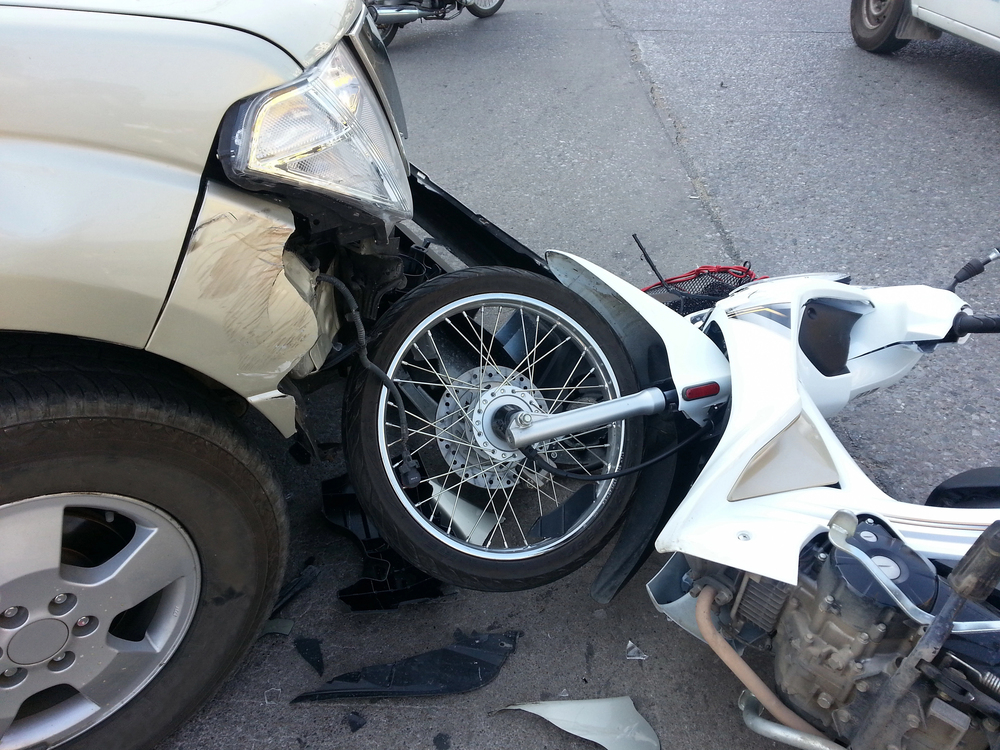
After a motorcycle crash, having thorough documentation of your injuries can really strengthen your personal injury claim. Your motorcycle accident lawyer in Baltimore, MD can then use this evidence effectively in getting you the compensation you're owed under the law. more How Can a Rider Document Injuries to Strengthen a Motorcycle Claim? Get Immediate Medical Attention Get evaluated by a medical professional right away, even if your injuries feel minor. Emergency room visits, urgent care records, or your primary doctor's notes will all create an official record that ties your injuries directly to the crash. The sooner you get medical help after the accident, the clearer that timeline is. This can prevent insurance adjusters from arguing that your injuries are from something else, and your lawyer will use these records as the foundation of your claim. Photograph Your Injuries Take clear, well-lit photos of any visible injuries as soon as it is safe to do so. Get everything: bruises, cuts, road rash, swelling, or abrasions, and from multiple angles. Include a date stamp or note the time. If your protective gear was chewed up in the accident, photograph that, too. Continue photographing your injuries as they heal over the next days and weeks. Store these photos in a dedicated folder on your phone or computer with clear labels, like “Day 1 – right arm” or “Week 2 – road rash.” If you have video from a helmet cam or bystander, save that too. Keep a Daily Symptom Journal Start a simple notebook or a digital file the day of the crash and update it every evening. In your journal, record your pain level on a scale of 1 to 10, describe what the pain feels like, and mention which movements or activities seem to set it off. List how the injury has affected your sleep, work, driving, household chores, or hobbies that day, and mention any medications you have to take because of the injuries and their side effects. Organize All Medical Records Request copies of every report and note from every provider you see related to your injury, like the initial emergency room visit, any specialists you're referred to, physical therapists, and pharmacies. Keep the originals and make duplicates. Create a folder or spreadsheet that lists each item with the date, provider, and purpose of the visit, and update it weekly. Talk to a Motorcycle Accident Lawyer Your lawyer will take all this evidence and use it to build a complete picture of your damages. Your photos, journal, bills, and medical files become the foundation for calculating what will be fair compensation for all you've lost and any future needs you might have related to the injuries. Your lawyer can spot missing pieces, too, and help you get all the evidence you need before any deadlines pass. Strong documentation gives you the best chance at a fair outcome. For help with your accident claim, contact the Law Offices of Elan B. Rafael in Baltimore now to request a consultation. We serve clients throughout Maryland.

What Evidence Is Most Persuasive in a Truck Accident Case?

In truck accident cases, the most persuasive evidence is going to be objective, verifiable data. The goal of the evidence is to establish liability and damages, and when you have objective data, your Baltimore, MD truck accident attorney will be able to bring a strong case against the truck driver, trucking company, or other party. more Most Persuasive Evidence in a Baltimore, MD Truck Accident Case 1. Electronic Data from the Truck's "Black Box" The Event Data Recorder (EDR) and records things like speed, braking, engine performance, steering inputs, seatbelt usage, and hours of operation. It's often considered one of the strongest forms of evidence you can have, because it's automated and very difficult to dispute. It can show what kinds of violations might have been going on, like speeding, failure to brake, or if the driver wasn't taking mandated breaks. 2. Dashcam, Surveillance, or Video Footage In-cab cameras are from the trucks and can face inward, outward, or both. Dashcams could potentially be available from any involved vehicle. Nearby security or traffic cameras might also capture either the crash itself or the events leading up to it. This kind of visual proof is compelling in court, as it provides undeniable context that can't be manipulated or biased; though it can be limited by showing only part of an incident or one perspective. 3. Driver Logs and Employment Records Electronic logging devices (ELDs), hours-of-service logs, and qualification files from a trucking company can show a lot. They can show if fatigue was a factor or if a driver was violating federal regulations about hours of service, and falsified or incomplete logs are persuasive indicators of negligence. 4. Maintenance and Inspection Records Truck repair histories, safety inspection reports, and weigh station data can all reveal mechanical failures that have been an issue for the vehicle and which might not have been properly addressed. And generally speaking, any evidence of neglected maintenance would throw liability onto the trucking company for regulatory violations. 5. Cell Phone and Communication Records If your lawyer can subpoena cell phone records showing texting, calls, or app usage at the time of the crash, that can go a long way towards proving distracted driving, which is a common cause of truck accidents. This is highly persuasive as it can directly link a driver's behavior to the incident. 6. Expert Witness Testimony Accident reconstructionists, medical experts, or safety specialists can analyze the data and then use their expertise to explain how the accident happened, the true extent of your injuries, and the long-term impact of your injuries on your daily life. Their objective opinions add credibility and are often key in particularly complex cases. 7. Medical Records and Bills Documentation of your injuries, all the treatments required to deal with them, and the costs you incurred will prove your damages and link them to the accident. They can also help to show how devastating the accident was, in some cases. 8. Third-Party Eyewitness Statements If accounts come from unbiased, uninvolved observers, they can be very persuasive. These are still somewhat subjective and less persuasive alone as compared to digital evidence, but they're generally considered more valuable than the testimony of those directly involved, since everyone involved can normally be assumed to be biased in their own favor. Talk to a Truck Accident Attorney An experienced attorney can help you find and use the most persuasive evidence in your case. Call the Law Offices of Elan B. Rafael in Baltimore today to request a consultation on your case.

How Do You Prove Liability in a Rideshare Collision With Uber or Lyft?

Rideshare accidents can be tricky. Figuring out who has to pay for damages depends not only on the circumstances of the accident but also on the status of the rideshare driver at the time. Talk to a Baltimore, MD rideshare accident lawyer if you've been in an accident to discover what your options are and to get help sorting through all the confusion. more How Do You Prove Liability in a Rideshare Collision With Uber or Lyft? Identify Responsible Parties The first step is to identify who's responsible. It could be the rideshare driver, it could be another driver, and in some cases the rideshare company could share some blame if they didn't properly vet a driver or ignored safety complaints. In even rarer cases, an entirely different entity could be to blame. If, for example, an improperly loaded truck dropped debris on the road before the accident or a government entity failed to keep the roads in good condition, they could be liable (or at least share some liability). Gather Evidence You'll want a police report, pictures and video of the accident scene and all the involved vehicles, all the information from everybody involved in the accident, and the contact information for any witnesses who saw it. Then you'll have your medical records and information from data collection. Most cars today have something like a "black box" on an airplane, which records information about what the car was doing at the moment of the accident. Rideshare apps like those for Uber and Lyft also track your trip with GPS and timestamps and have driver logs, which will tell you whether the driver was logged in, picking up a passenger, or actively on a ride at the time of the crash. Talk to a Baltimore, MD Rideshare Accident Lawyer Talk to a lawyer as soon as you can after the accident so your lawyer can help you start sorting out who's responsible and how to prove it. Your lawyer will look through the evidence you have, help you get a hold of any other evidence you may need, and can even subpoena evidence that you might not be able to get on your own, such as security cam footage from a nearby building or more information from the rideshare companies Proving Negligence Your lawyer will use the evidence to piece it all together and may give the evidence to an expert, such as an accident reconstruction specialist, to get a better understanding of how things played out in the crash. If the rideshare driver is at fault, your lawyer will also take a look at whether the rideshare company bears any blame. Since the drivers are independent contractors, Uber and Lyft are usually able to avoid direct liability, but if they allow a driver to continue working for them when they have a poor record, you might be able to argue negligence in hiring.If you've been in a rideshare accident, contact the Law Offices of Elan B Rafael in Baltimore now to request a consultation. When you contact our law firm, you speak to Elan B. Rafael, not a secretary, and we're here to fight for you.

What Should You Do If the At-Fault Driver Is Uninsured or Underinsured?

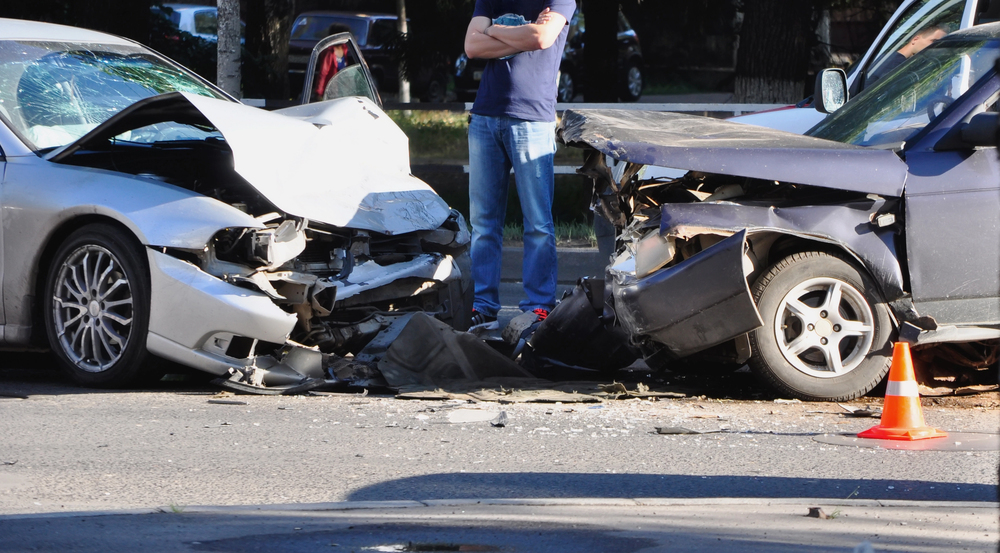
If the at-fault driver in a Baltimore, MD car accident has no insurance, or not enough, you have several options. Maryland is an at-fault state, meaning the negligent driver is responsible for damages, but practically speaking, your ability to recover is going to depend on their insurance coverage, your own coverage, and some other factors. Talk to an uninsured motorist attorney right away after an accident like this to make sure you're exploring all your options. more What to Do After a Baltimore, MD Accident With an Uninsured or Underinsured Driver 1. File a Claim Under Your Own Uninsured/Underinsured Motorist (UM/UIM) Coverage This is typically the most effective and reliable option, and it's what you get UM or UIM coverage for. Maryland requires all auto insurance policies to include uninsured/underinsured motorist coverage unless you specifically waive this coverage in writing. That means you'll likely have at least $30,000/$60,000 uninsured/underinsured coverage for bodily injury and $15,000 for property damage, and hopefully more if you got a bigger policy. Things to Know It's important to also know that the amount of coverage you have from the other driver in a UIM situation will be counted against your UIM coverage. For example, if the driver has $30,000 in liability coverage (the standard minimum) and you also have $30,000 in UIM coverage, then you cannot collect any UIM at all. If the driver has the minimum but you have more, say $60,000, the $30,000 from the at-fault driver's coverage is subtracted so you only have $30,000 in UIM.Maryland's strict contributory negligence doctrine also means that if you contributed to your accident in any way at all, you not only cannot collect from the at-fault driver, but you also cannot collect UM or UIM coverage. 2. Use Other Coverages on Your Policy You should have Personal Injury Protection (PIP) protection for medical expenses and lost wages, though you can also waive this coverage. Collision coverage, if you have it, will also pay for your vehicle repairs after the deductible is paid. Both of these kick in regardless of who is at fault, and they can be a quick way to access some funds while you try to access UM or UIM coverage. 3. Sue the At-Fault Driver Personally You can bring a lawsuit against the negligent driver, but bear in mind that if someone doesn't have insurance, that often means they don't have enough assets to pay for your losses. Even if they do, payment may come in the form of garnishing their wages or putting a lien on their property, which means you may only get small amounts in dribs and drabs. Your attorney will let you know if this is an option to consider. 4. Talk With an Uninsured Motorist Attorney Talk to us today at the Law Offices of Elan B. Rafael in Baltimore, MD. We can help you work through the options and decide if a lawsuit is feasible. We also serve Silver Spring, Brooklyn Park, Glen Burnie, Towson, Columbia, Annapolis, and Rockville.

How Does PIP Insurance Work After a Car Crash in Maryland?

Many people in Maryland are surprised to learn that Personal Injury Protection, or PIP, is far more accessible after a car accident than insurance companies might like them to know. This valuable coverage can help a lot when you've been hurt. Understanding how PIP functions in our state will make a big difference, and talking with a Baltimore, MD PIP insurance lawyer can help you ensure you're getting all the help you should after an accident. more How Does PIP Insurance Work After a Car Crash in Baltimore, MD? PIP Definition and Requirements in Maryland PIP is a form of no-fault auto insurance that's designed to cover certain losses you might have after a wreck, regardless of who caused the crash. Traditional liability coverage depends on proving fault, but PIP steps in immediately to help victims recover those essential out-of-pocket costs even if they're to blame (or partly to blame) for an accident. It covers everyone, whether they're a totally innocent victim or completely to blame for what happened. Coverage can apply to the policyholder, family members living in the same household, guests riding in the car, anyone given permission to drive it, passengers, and even pedestrians struck by the insured vehicle. One of the most important things to know is that Maryland does not mandate PIP on every auto policy, yet insurers are required by law to offer it whenever someone purchases coverage. You can choose to decline PIP, but that decision must be made explicitly. You'll have to sign a waiver at the time you get your policy, though that can be done electronically if you signed up for your insurance coverage electronically. Simply not paying an extra premium for PIP coverage does not count as a waiver, so if your insurer claims the coverage was waived, request a copy of that document immediately. How It Can Help When You're Not at Fault What makes PIP especially powerful in Maryland is the "collateral source rule." Under this rule, victims can often recover the same medical expenses and lost wages twice: once from their own PIP carrier and again from the at-fault driver's liability insurance. Now, the insurance adjuster for the at-fault driver will never volunteer this information, and they'll likely try to settle your claim for less if you don't have a lawyer and are unaware of your rights. They likely won't actually lie and tell you that they don't have to pay for your losses and damages if your PIP already covered it, but they will be happy to imply it with statements like, "oh, didn't you get coverage for that with your PIP?" When You Are at Fault PIP is even more important when you are at fault, because it allows you to get some coverage for your losses. Get Help From a PIP Insurance Lawyer If you're trying to figure out your coverage, don't miss out on all you're eligible for. Call us now at the Law Offices of Elan B. Rafael in Baltimore, MD, where we also serve clients in Silver Spring, Brooklyn Park, Glen Burnie, Towson, Columbia, Annapolis, and Rockville.

What should you know about semitruck crashes in Baltimore?

Anyone who’s driven on the roadways in Baltimore has encountered semitrucks. While those big rigs are providing a valuable service, they also pose a risk for everyone on these roadways, including Interstate 95. Maryland’s Crash Fatality Dashboard keeps track of fatal crashes in the state. Baltimore County comes in second place overall when it comes to fatalities. Prince George’s County comes in first. It’s critical for all drivers to ensure they’re driving safely. Understanding some common causes of semitruck crashes may be beneficial to all occupants, particularly for victims who are trying to determine how to proceed with a personal injury claim. What causes semitruck crashes? There are many causes of semitruck crashes. In some cases, one factor is the sole cause; however, there are instances in which multiple causes may be present. Some of these are the fault of the trucker, but there are times when the trucking company or other motorists may also be a cause. Fatigue, speeding and aggressive driving are some of the more common causes of semitruck crashes. When these are present, it’s possible that the trucker and the trucking company may both hold part of the liability for the crash. Policies, including tight deadlines, that are set by the trucking company can often lead to truckers not being empowered to stop driving if they’re fatigued or drive in an unsafe manner because they’re trying to rush. Other possible causes include other vehicles cutting in front of the semitruck, impairment, distractions, and improper load securement. It’s possible that others might also contribute to the crash, so it’s critical to consider all circumstances before filing a legal claim. Victims of semitruck crashes often require urgent medical attention, which can be costly. The exact injury and severity of damage determine what type of road to recovery a patient will have. This care can sometimes be costly, so it might be beneficial for the victims to seek compensation for the damages related to the injuries. There’s a limited time to do this because of limits set by law. It may be beneficial for victims to work with someone who can assist them with preparing the case and getting it moving forward.

Why do underride accidents keep happening?

Underride accidents occur when a smaller vehicle slides under the rear or side of a large truck, such as a semi. These crashes are often catastrophic and frequently fatal for the occupants of the smaller vehicle involved. Despite years of advocacy and tragic headlines, underride accidents continue to happen with alarming regularity—and many could be prevented with better safety measures. Unfortunately, unless a trucking company is willing to go above and beyond the basic safety standards that are required of them, their drivers will continue to remain at risk of causing or otherwise being involved in this type of crash. What is going on? One of the primary reasons that underride accidents remain a persistent problem is the federal government’s uneven regulation of underride guards. Rear underride guards have been required on most commercial trucks for decades. These metal barriers hang from the back of trailers and are designed to prevent vehicles from sliding underneath in a rear-end collision. However, these required guards have long been criticized for their outdated strength standards and poor performance in real-world conditions. Side underride guards, on the other hand, are not federally mandated. These resources protect cars from sliding under the sides of trailers in angled collisions, which often occur during lane changes or at intersections. Studies and pilot programs have shown that side guards can significantly reduce the severity of these crashes, but they remain optional in most of the country. Without uniform requirements, many trucking companies simply opt not to install them due to added cost and maintenance. In addition to regulatory gaps, inconsistent enforcement and delayed rulemaking have also contributed to the problem. Federal agencies have considered strengthening underride guard standards, but progress has been slow. Meanwhile, it is widely reported that thousands of underride accidents occur each year, many involving guards that failed or were not present at all. Poor maintenance and aging equipment add to the danger. A guard that is rusted, improperly installed or damaged may not function as intended. In some cases, even newer trucks may have improperly certified guards or components that don’t meet current guidelines. Until stronger safety standards are universally adopted and enforced, underride accidents will continue to claim lives. These are not just tragic incidents—they’re preventable ones. Accountability and advocacy can help to push for changes that will finally make the roads safer, although it would be ideal if regulators, trucking companies and manufacturers would take this issue seriously without added pressure.

Injured in a Maryland rideshare accident? Know your rights

Getting into a crash while riding an Uber or Lyft in Baltimore, especially in high-traffic areas with significant rideshare activity such as Downtown Baltimore, Inner Harbor, Fells Point, Canton, and Federal Hill, may leave you unsure of what to do next. As a passenger, you might not know who is responsible for your injuries or how to protect your rights. Understanding the legal process helps you act and avoid mistakes. Take these steps right after the rideshare accident What you do in the first few minutes after a rideshare accident can affect your health, insurance claim and any legal case. Take the following actions to protect yourself and document the event: Injury check: Look for injuries and call 911 if emergency help is needed Police report: Wait for officers and ask for an official crash report Driver information: Collect names, contact details and insurance information from all drivers Photo documentation: Take pictures of the vehicles, their license plates and any visible injuries from the parties involved These steps create a solid foundation for any insurance or legal process. Report the accident through the app Once you address the immediate situation, report the crash to the rideshare platform. This ensures the company has a record of the incident and can begin its claims process. Open the Uber or Lyft app and submit a report as soon as possible. The platform may follow up with more questions. Once that is done, the company includes your report in its records, which can help support your claim. Know who pays for your injuries Understanding how insurance works is important. Multiple policies may apply depending on the crash. These rideshare companies provide third-party liability insurance when their driver is at fault. If another driver caused the crash, that person’s insurance may apply. Your own health or auto policy may also cover some of the costs. The driver’s status at the time of the crash determines which coverage applies. Knowing this helps you avoid delays in care costs or payment for repairs. Protect your rights before you settle Do not accept a settlement until you understand the full impact of your injuries. Insurance companies may offer a quick payout that does not cover all your losses. Try consulting with an attorney who can help you review the offer and suggest full compensation. Rideshare passengers deserve full protection You have the right to safety and fair compensation. If you’re injured in a rideshare accident, take steps to protect your rights. Report the crash, identify who is responsible and consult a legal professional if needed.

Contact Us

Fill out this form below and we'll contact you shortly
*Required Fields