
Blog / Truck accidents

What Evidence Is Most Persuasive in a Truck Accident Case?

In truck accident cases, the most persuasive evidence is going to be objective, verifiable data. The goal of the evidence is to establish liability and damages, and when you have objective data, your Baltimore, MD truck accident attorney will be able to bring a strong case against the truck driver, trucking company, or other party.

Most Persuasive Evidence in a Baltimore, MD Truck Accident Case

1. Electronic Data from the Truck's "Black Box"

The Event Data Recorder (EDR) and records things like speed, braking, engine performance, steering inputs, seatbelt usage, and hours of operation. It's often considered one of the strongest forms of evidence you can have, because it's automated and very difficult to dispute. It can show what kinds of violations might have been going on, like speeding, failure to brake, or if the driver wasn't taking mandated breaks.

2. Dashcam, Surveillance, or Video Footage

In-cab cameras are from the trucks and can face inward, outward, or both. Dashcams could potentially be available from any involved vehicle. Nearby security or traffic cameras might also capture either the crash itself or the events leading up to it. This kind of visual proof is compelling in court, as it provides undeniable context that can't be manipulated or biased; though it can be limited by showing only part of an incident or one perspective.

3. Driver Logs and Employment Records

Electronic logging devices (ELDs), hours-of-service logs, and qualification files from a trucking company can show a lot. They can show if fatigue was a factor or if a driver was violating federal regulations about hours of service, and falsified or incomplete logs are persuasive indicators of negligence.

4. Maintenance and Inspection Records

Truck repair histories, safety inspection reports, and weigh station data can all reveal mechanical failures that have been an issue for the vehicle and which might not have been properly addressed. And generally speaking, any evidence of neglected maintenance would throw liability onto the trucking company for regulatory violations.

5. Cell Phone and Communication Records

If your lawyer can subpoena cell phone records showing texting, calls, or app usage at the time of the crash, that can go a long way towards proving distracted driving, which is a common cause of truck accidents. This is highly persuasive as it can directly link a driver's behavior to the incident.

6. Expert Witness Testimony

Accident reconstructionists, medical experts, or safety specialists can analyze the data and then use their expertise to explain how the accident happened, the true extent of your injuries, and the long-term impact of your injuries on your daily life. Their objective opinions add credibility and are often key in particularly complex cases.

7. Medical Records and Bills

Documentation of your injuries, all the treatments required to deal with them, and the costs you incurred will prove your damages and link them to the accident. They can also help to show how devastating the accident was, in some cases.

8. Third-Party Eyewitness Statements

If accounts come from unbiased, uninvolved observers, they can be very persuasive. These are still somewhat subjective and less persuasive alone as compared to digital evidence, but they're generally considered more valuable than the testimony of those directly involved, since everyone involved can normally be assumed to be biased in their own favor.

Talk to a Truck Accident Attorney

An experienced attorney can help you find and use the most persuasive evidence in your case. Call the Law Offices of Elan B. Rafael in Baltimore today to request a consultation on your case. 

Posted in:

Recommended Posts

Who Can File a Wrongful Death Lawsuit and What Damages Are Available?

Losing a loved one is one of the hardest things to endure, and especially if that loss is because of another person's carelessness. A wrongful death lawyer can guide your family through the process of bringing a claim here in Baltimore, MD. more What Does a Wrongful Death Claim Do? When a person dies as a result of someone else's negligence, Maryland law allows certain surviving family members to seek compensation for the loss of the deceased's income, fellowship, and care. This type of claim differs from a survival action, which is where the estate of the deceased brings a claim for losses the deceased themselves suffered before their passing. A wrongful death claim focuses on the harm the death is causing and has caused to the survivors. Who Can Bring a Claim? The spouse, children, and parents of the person who died are eligible to benefit from a wrongful death action, and these individuals have the first right to bring the action. There are exceptions if a family member is responsible for the death, but otherwise spouses, children, and parents are always the ones who benefit from a wrongful death action. The law treats a child born outside of marriage as the child of the mother and of the father only if paternity was established legally before the death. If no spouse, child, or parent survives the deceased, the right to bring a claim passes to secondary beneficiaries. These can be any blood or marriage relatives who depended on the deceased for support. Grandparents, siblings, or other kin might qualify in that situation, but again, they can only bring a claim and benefit from it if there's no one in the primary group of spouse, children, and parents. What Damages Are Available? First, the family can claim damages for their economic, or monetary, losses. These include the lost income the deceased would have provided had they lived, lost household services, and any medical, funeral, or burial expenses. There are no caps on this: whatever can be shown to have been lost may be recovered. But the family can also get non-economic damages. This is compensation for the personal losses like mental anguish, emotional pain and suffering, loss of society, companionship, comfort, protection, care, attention, advice, counsel, training, guidance, or education. There are caps on these damages. The cap was set in 1994 at $500,000 and increases by $15,000 every year in October. In Oct of 2025, the cap was $965,000 for a single claimant. If there are two or more claimants, the total for all non-economic damages can't be more than 150% of that single-claimant amount. Talk to a Wrongful Death Lawyer in Baltimore, MD Approaches These Cases If someone's negligence has caused the death of someone close to you, call the Law Offices of Elan B. Rafael in Baltimore at 410-826-4763 today or request a consultation online. You'll always speak directly with Elan Rafael in consultation about the facts of your situation and the options available under Maryland law.

Who Is Responsible for a Grocery Store Slip and Fall Accident in Baltimore, Maryland?

Grocery stores have a responsibility to maintain reasonably safe conditions for customers and visitors who enter their property. When someone slips and falls because of a hazardous condition, such as a wet floor, spilled product, uneven flooring, or another dangerous condition, the store may be held responsible if its negligence contributed to the accident. However, a grocery store is not automatically liable simply because someone was injured on its property. Maryland slip-and-fall cases are based on negligence, meaning an injured person must show that the store owner or manager failed to take reasonable steps to identify, correct, or warn customers about a dangerous condition. Working with an experienced Baltimore slip-and-fall attorney can help injured individuals understand their legal options and determine whether they may have a valid premises liability claim. For more information about these types of cases, visit Rafael Law, LLC’s slip-and-fall accident services. more When Is a Grocery Store Responsible for a Slip and Fall Accident in Baltimore? Under Maryland premises liability law, property owners and businesses generally have a duty to keep their property reasonably safe for customers and other lawful visitors. This includes regularly inspecting the property, addressing known hazards, and providing warnings when dangerous conditions cannot be immediately corrected. To hold a grocery store responsible after a fall, an injured person generally must prove: A dangerous condition existed on the property The store owner or employees knew, or reasonably should have known, about the hazard The store failed to take reasonable action to fix the problem or warn customers The dangerous condition caused the accident and resulting injuries These cases often depend on evidence showing how long the hazard existed and whether the store had a reasonable opportunity to address it. Proving Negligence After a Grocery Store Fall One of the most challenging parts of a grocery store slip-and-fall claim is proving that the store knew about the dangerous condition or should have discovered it through reasonable care. There are generally two ways knowledge can be established: Actual Knowledge of a Hazard Actual knowledge means the store knew about the dangerous condition before the accident occurred. For example, an employee may have been told about a spill but failed to clean it up or place warning signs around the area. Another example could involve a customer notifying store employees about a leaking freezer or a damaged floor section, but the store does not take appropriate action. Constructive Knowledge of a Hazard Constructive knowledge means the store should have known about the dangerous condition because it existed long enough that a reasonable business would have discovered and corrected it. For example, if a customer spills a drink moments before another person slips, the store may argue that it did not have enough time to discover the spill. However, if the spill remained on the floor for an extended period without inspection or cleanup, the injured person may have a stronger argument that the store failed to act reasonably. Evidence such as surveillance footage, employee reports, cleaning schedules, witness statements, and incident reports can be important when proving how long a hazard existed. Common Causes of Grocery Store Slip and Fall Accidents Grocery stores contain many areas where hazardous conditions can develop quickly. Some common causes of customer falls include: Spilled liquids or food products Wet floors near entrances, checkout areas, or refrigeration sections Leaking freezer or refrigerator units Uneven flooring or damaged surfaces Poor lighting that makes hazards difficult to see Objects left in walkways Loose mats or rugs Failure to maintain aisles and customer areas While some hazards may occur unexpectedly, stores are expected to have reasonable inspection and maintenance procedures to help protect customers. What Evidence Can Help Prove a Grocery Store Was Negligent? After a slip-and-fall accident, important evidence can disappear quickly. Surveillance footage may be erased, employees may forget details, and hazardous conditions may be corrected before they can be documented. Evidence that may help support a claim includes: Photos or videos of the dangerous condition Clothing or shoes involved in the accident Medical records documenting injuries Witness contact information Store incident reports Surveillance footage Employee statements Maintenance and inspection records Taking steps to preserve evidence as soon as possible can make a significant difference when pursuing a personal injury claim. Maryland’s Contributory Negligence Rule and Slip-and-Fall Claims Maryland follows a contributory negligence rule, which can significantly impact slip-and-fall cases. Under this rule, if an injured person is found to have contributed to their own accident in any way, they may be prevented from recovering compensation. Because of this strict legal standard, insurance companies and property owners may attempt to argue that the injured person was responsible for the fall. They may claim the hazard was obvious, the person was distracted, or the person failed to exercise reasonable caution. A Baltimore personal injury attorney can help evaluate the circumstances of the accident, respond to these arguments, and determine what evidence may support the claim. Learn more about Rafael Law, LLC’s approach to personal injury cases. Why Contact a Baltimore Slip-and-Fall Attorney After a Grocery Store Accident? Grocery store slip-and-fall cases can become complicated quickly. Businesses and insurance companies often focus on limiting their financial responsibility, which may make it difficult for injured individuals to understand their rights or obtain fair compensation. An attorney can help investigate what happened, gather evidence, communicate with insurance companies, and determine whether negligence played a role in the accident. At Rafael Law, LLC, we help injured individuals throughout Baltimore understand their options after accidents caused by unsafe property conditions. If you were injured in a grocery store slip and fall, contact Rafael Law, LLC at 410-826-4763 or visit our Baltimore law office contact page to discuss your situation.

What Medical Records Are Critical in a Traumatic Brain Injury Claim?

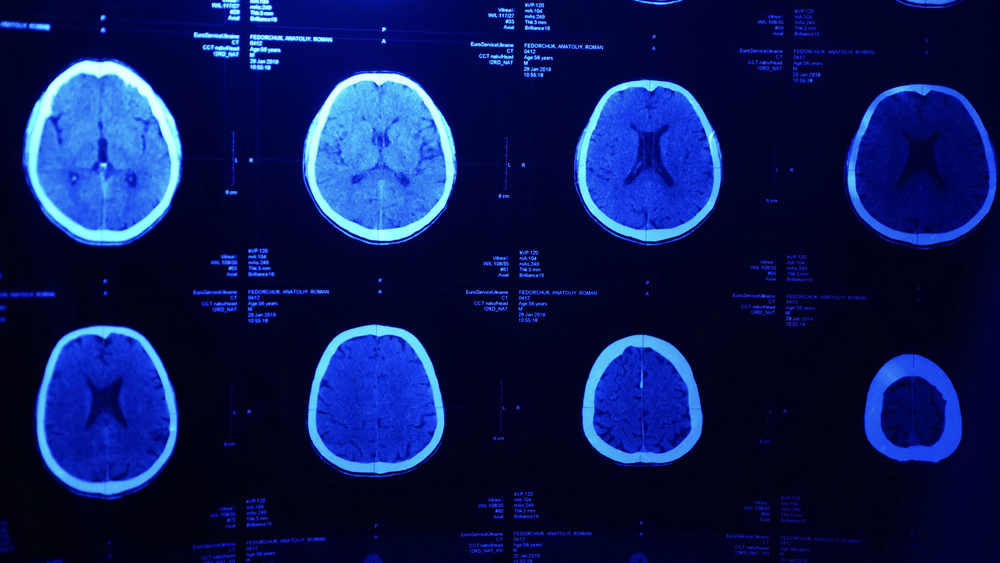
If you've suffered a brain injury from an accident, your medical records will go a long way in determining how effectively your claim for compensation moves forward. A Baltimore, MD traumatic brain injury attorney can help you sort through the details and gather all evidence that proves what's happened and how it's affected you. more Medical Records That Matter Most in a TBI Claim Medical records supply the objective proof that an accident caused real harm, establish how serious that harm was, and document the ongoing needs that are affecting your daily life and future costs. If you don't have complete, well-organized documentation, the insurance company is likely to question the connection between the incident and later symptoms or downplay the long-term effects. Every relevant note, scan, and evaluation is important to have in hand so the full picture of your injury is clear. The most important records to gather will be: Initial records Tests and imaging Specialist evaluations Neuropsychological testing Rehabilitation and therapy records Those First Moments Those early records from first responders and the emergency department are really important. Ambulance reports will capture what happened at the scene, and emergency room notes will include the initial neurological checks and any decisions made in those critical first hours. These documents are critical because they were created closest in time to the event and because they record the mechanism of injury, such as a direct blow to the head or sudden deceleration. That's useful to tie the accident directly to the brain trauma. Tests and Imaging Diagnostic imaging carries a lot of weight. A CT scan is usually the first test ordered in the ER because it quickly reveals if there are any fractures, bleeding, swelling, or blood clots that require immediate intervention. An MRI might be ordered once you stabilize, as it can show subtler damage such as diffuse axonal injury or small contusions. EEG reports may show if any seizures occurred or brain activity raised concern. Specialist Evaluations With a brain injury, it's likely you'll be seen by neurologists or neurosurgeons, and their notes about any changes in symptoms over days or weeks and any recommendations for further testing or treatment will be useful to track how the injury evolved. Just having consistent specialist documentation itself strengthens your claim because it shows that the problems persisted and required expert attention. Neuropsychological Testing Neuropsychological testing is especially important when imaging looks normal but you're not feeling or acting like normal. These evaluations use standardized tasks to measure your attention, processing speed, memory, executive function, and emotional regulation, and the results can demonstrate that you have some measurable deficits. These can help to differentiate injury-related changes from any pre-existing conditions or unrelated stress. Many people with milder brain injuries show little on scans but have clear difficulties on these tests. Talk to a Baltimore, MD Traumatic Brain Injury Attorney Today Your records tell a story, and it's your lawyer's job to tell that story effectively and use those records to get you full compensation for what you've lost and suffered. Contact the Law Offices of Elan B Rafael in Baltimore, MD right away for a consultation, where you'll talk to Elan B. Rafael directly, never a paralegal or secretary.