
If you’ve suffered a brain injury from an accident, your medical records will go a long way in determining how effectively your claim for compensation moves forward. A Baltimore, MD traumatic brain injury attorney can help you sort through the details and gather all evidence that proves what’s happened and how it’s affected you.
Medical Records That Matter Most in a TBI Claim
Medical records supply the objective proof that an accident caused real harm, establish how serious that harm was, and document the ongoing needs that are affecting your daily life and future costs. If you don’t have complete, well-organized documentation, the insurance company is likely to question the connection between the incident and later symptoms or downplay the long-term effects. Every relevant note, scan, and evaluation is important to have in hand so the full picture of your injury is clear.
The most important records to gather will be:
Initial records
- Tests and imaging
- Specialist evaluations
- Neuropsychological testing
- Rehabilitation and therapy records
Those First Moments
Those early records from first responders and the emergency department are really important. Ambulance reports will capture what happened at the scene, and emergency room notes will include the initial neurological checks and any decisions made in those critical first hours. These documents are critical because they were created closest in time to the event and because they record the mechanism of injury, such as a direct blow to the head or sudden deceleration. That’s useful to tie the accident directly to the brain trauma.
Tests and Imaging
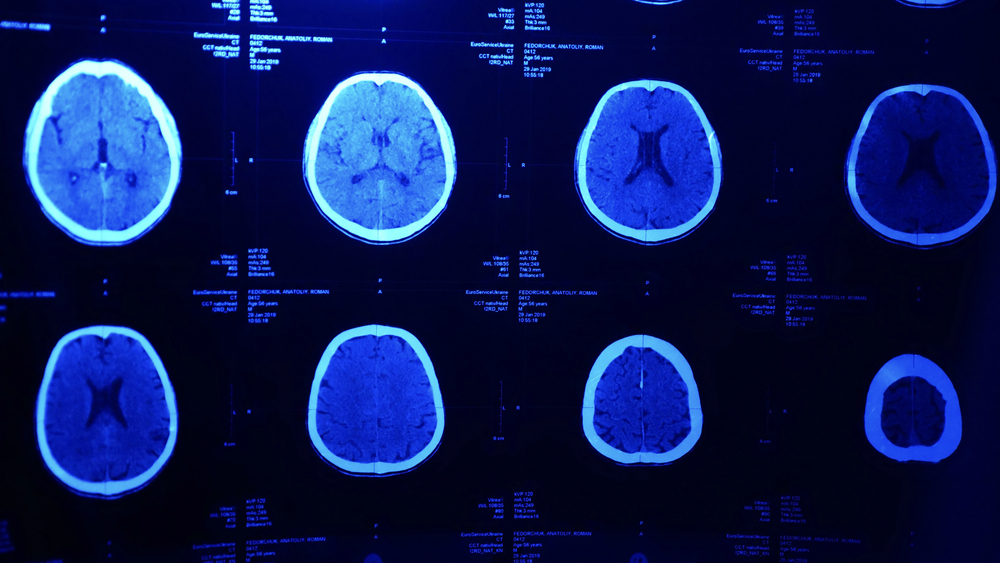
Diagnostic imaging carries a lot of weight. A CT scan is usually the first test ordered in the ER because it quickly reveals if there are any fractures, bleeding, swelling, or blood clots that require immediate intervention. An MRI might be ordered once you stabilize, as it can show subtler damage such as diffuse axonal injury or small contusions. EEG reports may show if any seizures occurred or brain activity raised concern.
Specialist Evaluations
With a brain injury, it’s likely you’ll be seen by neurologists or neurosurgeons, and their notes about any changes in symptoms over days or weeks and any recommendations for further testing or treatment will be useful to track how the injury evolved. Just having consistent specialist documentation itself strengthens your claim because it shows that the problems persisted and required expert attention.
Neuropsychological Testing
Neuropsychological testing is especially important when imaging looks normal but you’re not feeling or acting like normal. These evaluations use standardized tasks to measure your attention, processing speed, memory, executive function, and emotional regulation, and the results can demonstrate that you have some measurable deficits. These can help to differentiate injury-related changes from any pre-existing conditions or unrelated stress. Many people with milder brain injuries show little on scans but have clear difficulties on these tests.
Talk to a Baltimore, MD Traumatic Brain Injury Attorney Today
Your records tell a story, and it’s your lawyer’s job to tell that story effectively and use those records to get you full compensation for what you’ve lost and suffered. Contact the Law Offices of Elan B Rafael in Baltimore, MD right away for a consultation, where you’ll talk to Elan B. Rafael directly, never a paralegal or secretary.
Connect with us


- July 2026
- June 2026
- May 2026
- March 2026
- February 2026
- January 2026
- December 2025
- November 2025
- August 2025
- July 2025
- June 2025
- April 2025
- February 2025
- December 2024
- October 2024
- September 2024
- August 2024
- July 2024
- May 2024
- March 2024
- January 2024
- November 2023
- October 2023
- September 2023
- August 2023
- July 2023
- April 2023
- February 2023
- December 2022