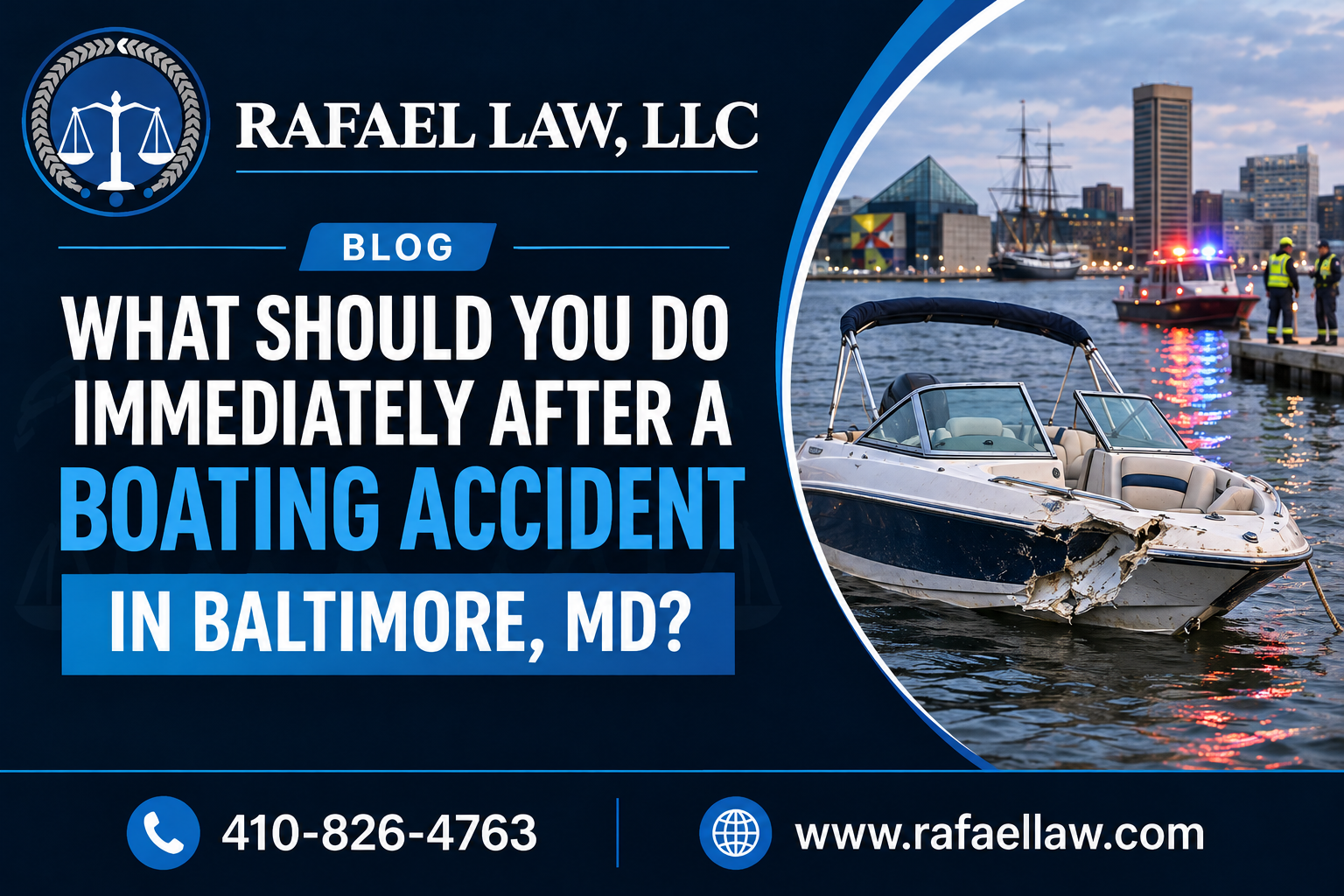
What Should You Do Immediately After a Boating Accident in Baltimore, MD?
If you've been injured in a boating accident on Baltimore's waterways, knowing what to do next can protect your health, legal rights, and ability to pursue compensation. Whether the accident occurred in the Inner Harbor, along the Patapsco River, or on the Chesapeake Bay, taking immediate action can make a significant difference.After a boating accident in Maryland, you should stop the vessel, assist anyone in danger, seek medical attention, exchange information, document the scene, and report the accident when required by law. If someone else's negligence caused your injuries, speaking with a boat accident lawyer can help you understand your options for recovering compensation.
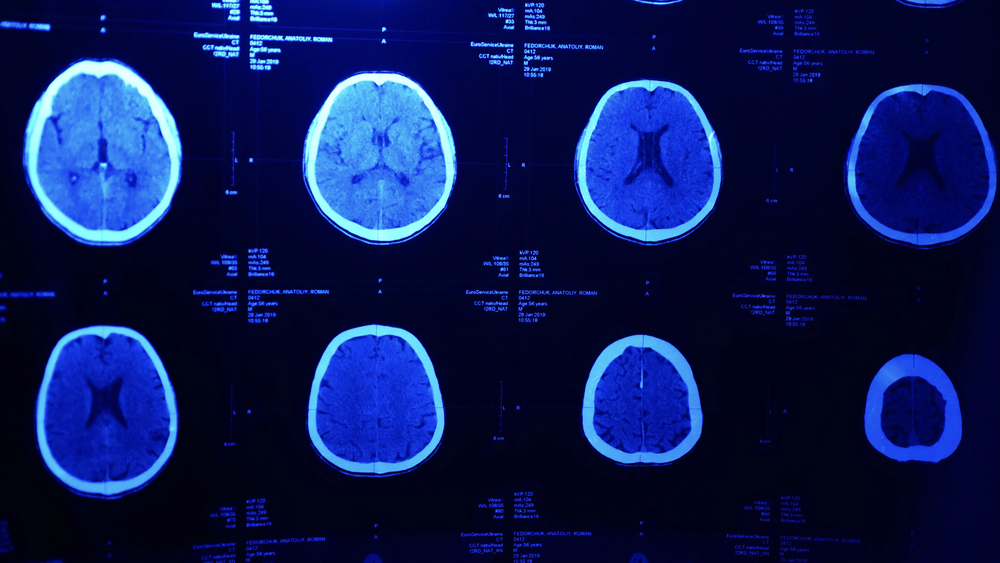
Boating collisions can result in traumatic brain injuries, broken bones, spinal cord injuries, and other serious medical conditions. Unfortunately, victims may also face unexpected medical expenses, lost income, and complicated insurance claims.
At Rafael Law, LLC, we understand the challenges injured individuals face following an accident. Our Baltimore personal injury attorneys help clients evaluate their claims, understand applicable laws, and pursue compensation when another party's negligence causes harm.
If you've been injured, our Baltimore boat accident lawyer can review your situation and explain the legal options that may be available.
What Are the First Steps to Take After a Boating Accident in Maryland?
The moments following a boating accident can be confusing and stressful. However, there are several important steps you should take to protect yourself and others.1. Stop Your Boat and Assist Anyone Who Is Injured
Maryland law requires vessel operators involved in certain accidents to stop and provide assistance to individuals in danger, provided they can do so without creating serious risks to themselves or others.According to Maryland Natural Resources Code § 8-724, boat operators have specific responsibilities after a collision or accident.
Your immediate priorities should include:
- Stop your vessel as close to the accident scene as safely possible.
- Check passengers and other individuals for injuries.
- Assist anyone who has fallen overboard or is in immediate danger.
- Make sure passengers have access to appropriate life jackets.
- Contact emergency responders when needed.
- Avoid moving seriously injured individuals unless necessary to prevent further harm.
You can also review the U.S. Coast Guard's search and rescue information for additional information about reporting an emergency on the water.
2. Seek Medical Attention After the Accident
Even if you initially feel fine, some boating accident injuries may not become apparent immediately.The force of a collision, sudden impact, or fall into the water can cause significant injuries.
Common injuries resulting from boating accidents include:
- Traumatic brain injuries and concussions
- Neck and spinal cord injuries
- Broken bones and fractures
- Internal bleeding or organ damage
- Deep cuts and lacerations
- Near-drowning injuries
- Soft tissue injuries
- Long-term physical disabilities
Seeking medical attention helps protect your health and establishes important documentation of your injuries.
Medical records may also become valuable evidence if you pursue a personal injury claim.
If the boating accident caused a serious or permanent injury, Rafael Law can help you explore your legal options involving catastrophic injury claims and traumatic brain injuries.
3. Exchange Information With Everyone Involved
Much like a car accident, Maryland boating accidents require operators to exchange certain identifying information.When it is safe to do so, collect the following:
- Full names of all boat operators
- Contact information and addresses
- Vessel registration numbers
- Names of vessel owners
- Insurance information, if available
- Names and contact information of passengers
- Contact details for witnesses
Avoid arguing about who caused the accident. Instead, concentrate on gathering accurate information.
4. Report the Boating Accident to Maryland Authorities
Do you have to report a boat accident in Maryland?Yes. Certain boating accidents must be reported to the Maryland Department of Natural Resources.
Reporting requirements generally apply when an accident causes:
- A fatality
- A person's disappearance
- Injuries
- Property damage of $2,000 or more
- Complete loss of a vessel
For emergency assistance, contact 911 or the Coast Guard on VHF Channel 16.
The Maryland Department of Natural Resources Boating Safety Division provides additional information about boating safety and reporting obligations.
When reporting the accident, provide accurate information about the location, vessels involved, injuries, and circumstances.
5. File a Written Boating Accident Report
Under Maryland Natural Resources Code § 8-724, certain boating accidents require a written report.The statute generally establishes the following reporting deadlines:
| Type of boating accident | Reporting deadline |
|---|---|
| Death or disappearance | Within 48 hours |
| Injury requiring medical treatment beyond first aid | Within 48 hours |
| Other qualifying personal injuries or property damage of $2,000 or more | Within 10 days |
| Complete vessel loss without an earlier reporting trigger | Generally within 10 days |
Failure to comply with reporting requirements can create additional legal complications.
You can learn more about recreational boating accident reporting through the U.S. Coast Guard accident reporting resources.
6. Document the Scene and Preserve Evidence
One of the most important steps after a boating accident is preserving evidence that may help establish what happened.If you can do so safely, collect:
- Photographs of the damaged vessels
- Videos of the accident scene
- Pictures of visible injuries
- GPS coordinates or the approximate accident location
- Weather and water conditions
- Witness statements and contact information
- Insurance and vessel registration details
- Medical records and treatment documentation
Avoid repairing or disposing of damaged equipment before important evidence has been documented.
A boating accident attorney can help identify evidence relevant to your claim, investigate the collision, and determine whether another party's negligence contributed to your injuries.
7. Be Careful When Speaking With Insurance Companies
After a boating accident, an insurance company may contact you requesting information about what happened.While you should provide truthful information when required, avoid guessing about fault or giving inaccurate statements.
Insurance companies may investigate whether your conduct contributed to the accident.
Maryland follows a strict contributory negligence rule in many personal injury cases. Under this principle, an injured person who contributed negligently to their injuries may be prevented from recovering compensation.
However, some boating accidents fall under federal maritime law, which may apply different principles when determining liability and damages.
Because of these legal differences, it is important to understand which laws govern your particular accident.
Before providing an optional recorded statement or accepting a settlement, consider consulting a personal injury lawyer who handles boating accident claims.
For additional information, review Rafael Law's article on speaking to insurance companies after an accident.
Who Is Responsible for a Boating Accident in Maryland?
Determining responsibility for a boating accident requires examining how the collision happened and whether someone failed to exercise reasonable care.Common causes of boating accidents include:
- Operator inattention: Failing to maintain a proper lookout or becoming distracted while operating the vessel.
- Excessive speed: Traveling too fast for the conditions, visibility, or surrounding boat traffic.
- Boating under the influence: Operating a vessel while impaired by alcohol or drugs.
- Failure to follow navigation rules: Ignoring right-of-way requirements or navigation signals.
- Inexperienced operators: Operating a vessel without understanding essential safety procedures.
- Improper maintenance: Failing to maintain equipment when responsible for its condition.
- Unsafe passenger behavior: Allowing dangerous activity that contributes to injuries.
Depending on the circumstances, potentially responsible parties may include a boat operator, vessel owner, rental company, or another party whose negligence contributed to the incident.
A boat accident lawyer in Baltimore, MD, can evaluate accident reports, witness statements, vessel information, and other evidence to help determine whether a personal injury claim may be available.
Can You Receive Compensation After a Boating Accident?
If another party's negligence caused your boating accident injuries, you may have grounds to pursue compensation.The damages available depend on the facts of your case, the severity of your injuries, and the applicable law.
Potential compensation may include:
- Medical expenses: Emergency treatment, hospitalization, surgery, rehabilitation, and ongoing medical care.
- Lost wages: Income lost while recovering from accident-related injuries.
- Reduced earning capacity: Financial losses associated with injuries that affect your ability to work.
- Pain and suffering: Qualifying physical pain and emotional distress related to your injuries.
- Future medical costs: Anticipated treatment, therapy, and long-term care.
- Property damage: Qualifying expenses related to damage to your vessel or personal property.
If your family lost a loved one because of another person's negligence, you may have legal options under applicable wrongful death or maritime laws.
Learn more about wrongful death claims in Maryland and how Rafael Law assists families evaluating these difficult cases.
How Can a Baltimore Boat Accident Lawyer Help With Your Claim?
Boating accident claims can be more complicated than traditional motor vehicle accident cases because they may involve Maryland law, federal maritime regulations, and multiple insurance policies.Working with a personal injury attorney can help you understand your legal rights while focusing on your recovery.
At Rafael Law, our attorneys can assist with:
- Investigating the circumstances surrounding the boating accident
- Identifying potentially negligent parties
- Reviewing available accident reports and evidence
- Evaluating medical expenses and other financial losses
- Communicating with insurance companies
- Determining whether Maryland law or maritime law may apply
- Negotiating potential settlements
- Pursuing litigation when appropriate
If you've been searching for a "boat accident lawyer near me" after an injury in Baltimore, speaking with a local attorney familiar with Maryland personal injury claims is an important first step.
Rafael Law represents injured clients in Baltimore and surrounding Maryland communities, including Towson, Columbia, Glen Burnie, Annapolis, Brooklyn Park, Rockville, and Silver Spring.
What Do Clients Say About Rafael Law?
Choosing the right attorney after a serious accident can be an important decision.Attorney Elan B. Rafael's Avvo profile includes feedback from clients who describe their experiences working with him on legal matters.
Client Review: "Excellent Representation!"
Anonymous Client — February 15, 2019A client whose family member received representation in criminal defense and personal injury matters described Rafael's communication and ability to explain the legal options available.
The client noted that he helped clarify expectations and kept the family informed about the progress of the case.
The review highlights the importance of communication and guidance when navigating a complicated legal matter.
Read the full client review on Avvo.
Client Review: "Good"
Anonymous Client — May 7, 2014Another client discussed Rafael's representation of a loved one in a criminal case.
The reviewer described him as helpful and appreciated his communication with the family throughout the proceedings.
Read the full client review on Avvo.
Attorney Elan B. Rafael's Professional Background
Attorney Elan B. Rafael's Avvo profile lists an 8.0 Avvo rating, categorized as "Excellent," and a 4.7 out of 5 client review score based on three reviews.His professional background includes experience with the Maryland Office of the Public Defender and representing individuals in personal injury matters.
Learn more about attorney Elan B. Rafael and review his Avvo attorney profile.
The referenced reviews involve individual legal matters and are not specifically boating accident testimonials. Previous client experiences do not guarantee future results.
Frequently Asked Questions About Boating Accidents in Baltimore, MD
1. What should I do immediately after a boat accident?
Immediately after a boat accident, stop your vessel, check for injuries, and provide assistance when it is safe to do so. Call 911 or contact the Coast Guard if emergency assistance is needed. Seek medical attention, exchange information, document the accident, and comply with applicable reporting requirements.2. Do I need a boat accident lawyer after a boating collision?
You are not always required to hire a lawyer after a boating accident. However, consulting a boat accident lawyer may be beneficial when you have suffered serious injuries, another party disputes responsibility, or an insurance company challenges your claim. An attorney can evaluate the circumstances and explain your legal options.3. How much is a boating accident settlement worth in Maryland?
The value of a boating accident settlement depends on several factors, including the severity of the injuries, medical expenses, lost wages, long-term treatment needs, available evidence, and applicable law. There is no standard settlement amount. A personal injury attorney can help evaluate the potential value of your claim.4. How long do I have to file a boating accident lawsuit in Maryland?
Many Maryland personal injury claims are subject to a three-year statute of limitations. However, boating accident claims may involve federal maritime law, different limitation periods, or other exceptions. Because filing deadlines depend on the circumstances, speak with a boating accident attorney promptly to determine which deadline applies.5. Can passengers sue after a boating accident?
Yes. Injured passengers may be able to file a personal injury claim if a negligent boat operator, vessel owner, or another responsible party caused their injuries. Liability depends on the circumstances and the applicable law. Passengers may seek compensation for qualifying medical expenses, lost income, and other damages.6. Who pays medical bills after a boating accident?
Medical bills may initially be paid through available health insurance, medical payments coverage, or other applicable insurance. If another party is legally responsible for the accident, an injured person may be able to seek compensation for qualifying medical expenses through a personal injury claim.7. What happens if a boat accident is not reported in Maryland?
Failing to report a qualifying boating accident may violate Maryland reporting requirements. Certain accidents involving injuries, fatalities, disappearances, or substantial property damage require reports within specified deadlines. If you're unsure whether your accident must be reported, contact the Maryland Department of Natural Resources promptly.8. How do I find a boat accident lawyer near me in Baltimore, MD?
When looking for a boat accident lawyer near you, consider an attorney who handles personal injury claims involving boating collisions and understands the potential application of Maryland negligence law and federal maritime law. Rafael Law serves injured individuals in Baltimore and surrounding communities and can discuss the circumstances of a boating accident.Speak With a Boat Accident Lawyer in Baltimore, MD, at Rafael Law
A serious boating accident can leave you dealing with painful injuries, expensive medical bills, missed work, and uncertainty about your financial future.If another person's negligence caused your injuries, you deserve to understand your legal rights and whether compensation may be available.
At Rafael Law, LLC, our personal injury attorneys help injured individuals evaluate their claims and pursue available legal remedies.
Whether your accident occurred on the Chesapeake Bay, Patapsco River, Baltimore's Inner Harbor, or another Maryland waterway, our team can help you understand the next steps.
Looking for a boat accident lawyer near you? Contact Rafael Law to discuss your case and learn more about your legal options.
Contact Rafael Law today to request a consultation.
Rafael Law, LLC — Baltimore, Maryland
This article is intended for general informational purposes and does not constitute legal advice. The outcome of any claim depends on its specific facts and applicable law.